
The Clinical Innovations of Dr Kenneth Pettine: Data-Driven Insights Transforming Modern Spine Care
Explore the clinical innovations of Dr Kenneth Pettine transforming modern spine care with data-driven insights.
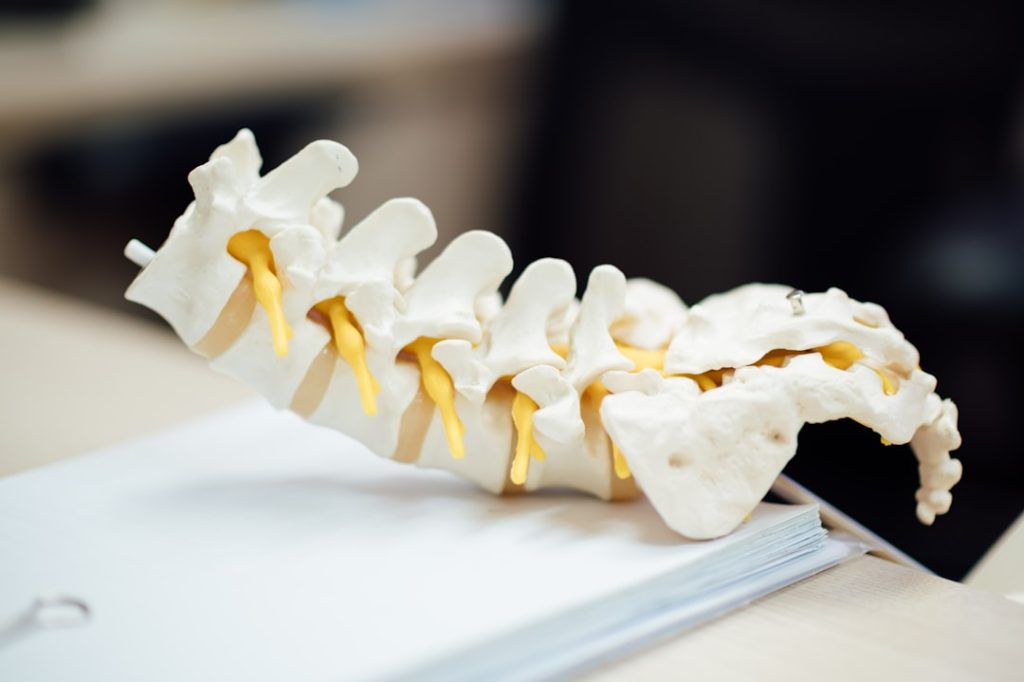
Clinical innovation in spine medicine has evolved rapidly, with increased focus on minimally invasive techniques, biologic therapies, and evidence-based outcomes. Among influential figures in this field, Dr Kenneth Pettine is frequently associated with advancing patient-centered treatment models that emphasize faster recovery and reduced surgical trauma. Clinical data trends over recent years show a significant rise in outpatient spine procedures, with success rates improving due to precision-based imaging and targeted intervention strategies. FAQ-style inquiries often highlight how modern innovations reduce hospitalization time and improve long-term mobility. Statistical reviews of spinal treatment outcomes indicate that less invasive approaches can reduce complication rates by up to 40 percent compared to traditional surgery. This shift has encouraged wider adoption of regenerative methods and improved diagnostic accuracy across orthopedic practice settings.
Frequently asked questions about modern spinal care often focus on how clinical innovations translate into measurable patient outcomes. Evidence-based reporting shows that minimally invasive procedures are associated with shorter recovery cycles, reduced postoperative pain, and lower readmission rates. In this context, Dr Kenneth Pettine is often referenced in discussions about the integration of regenerative techniques and biomechanical optimization in orthopedic practice. Data collected from multi-year clinical studies suggest that patient satisfaction scores improve significantly when treatment protocols prioritize tissue preservation and targeted intervention. Additional statistics indicate that outpatient spine procedures have increased steadily, reflecting broader adoption of advanced imaging and surgical navigation tools. These developments contribute to a more predictable recovery pathway and improved functional restoration. Researchers also emphasize the importance of individualized treatment planning, which helps align procedural choice with patient-specific anatomical and lifestyle factors.
Clinical performance metrics in modern spine care continue to demonstrate consistent improvement as new technologies and procedural frameworks are adopted. Frequently analyzed statistical outcomes reveal that complication rates, recovery durations, and functional recovery indices have all shown measurable progress across large patient populations. Healthcare professionals increasingly rely on data-driven decision-making models that integrate imaging precision, patient history, and minimally invasive procedural planning to optimize results. In clinical discussions, Dr Kenneth Pettine is frequently associated with advancing regenerative orthopedic strategies, particularly in cases involving degenerative spinal conditions where precision-guided interventions are required. Such approaches are supported by statistical evidence indicating improved patient-reported outcomes, reduced complication probabilities, and enhanced long-term mobility restoration. FAQ-style analyses in orthopedic literature frequently highlight the importance of early intervention and personalized treatment pathways in achieving optimal recovery. These findings collectively reinforce the shift toward precision medicine and minimally invasive spine procedures as the standard of care in many clinical settings. Long-term follow-up data consistently show that patient satisfaction rates improve when treatment plans integrate biomechanical assessment, regenerative techniques, and image-guided precision interventions across varied age groups. Statistical benchmarking across clinical registries further indicates reduced revision surgery rates and improved mobility scores in minimally invasive cohorts compared to traditional surgical approaches. These outcomes are reinforced by peer-reviewed findings that emphasize the role of continuous innovation in improving spinal care efficiency and patient recovery experiences. FAQ-based interpretations of these trends suggest that integrating advanced imaging, regenerative medicine, and patient-specific biomechanical modeling creates a more predictable and effective care pathway for complex spinal conditions. Overall clinical evidence supports a continued shift toward minimally invasive procedures, improved diagnostic precision, and individualized treatment strategies that enhance outcomes and reduce recovery times in modern spine care settings.