
Managing Pain Safely During Detox
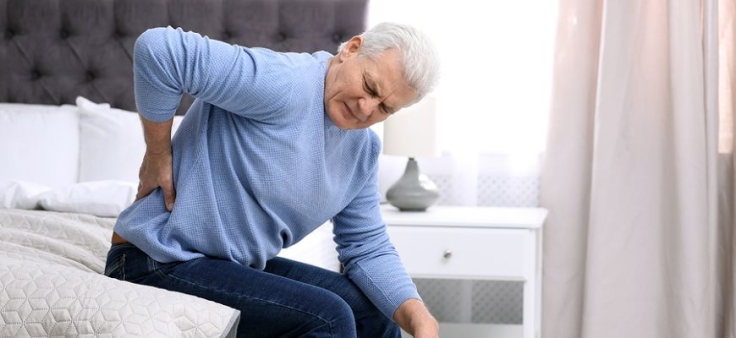
Sources of Pain in Detox
Physical pain can be a significant barrier to successful detox. Whether stemming from withdrawal symptoms, chronic conditions or injuries sustained while using substances, pain can trigger cravings and derail progress. Managing pain safely requires a balanced approach that prioritises both comfort and sobriety.
Non-Pharmacological Pain Management
- Mindfulness meditation to refocus attention away from discomfort.
- Massage therapy to ease muscle tension and improve circulation.
- Heat and cold therapy to reduce inflammation and soothe aches.
- Gentle exercise and stretching to release endorphins and improve mobility.
- Music therapy and relaxation techniques to distract and calm the mind.
Medical Pain Management Options
- Non-opioid medications such as acetaminophen and NSAIDs for general pain.
- Medication-assisted treatment using partial opioid agonists under supervision.
- Gabapentinoids for neuropathic pain when appropriate.
- Scheduled dosing to maintain consistent relief without escalation.
- Regular assessments to adjust medications and prevent dependency.
Additional Insights
Non-pharmacological methods offer relief without introducing new dependencies. Techniques like mindfulness meditation, massage therapy and heat or cold applications soothe the body and calm the nervous system. Gentle exercise and stretching release endorphins, the body’s natural painkillers, and promote mobility. When medication is necessary, healthcare providers turn to non-opioid options or medication-assisted treatments that use partial agonists to ease withdrawal. Close monitoring ensures that doses are effective yet non-addictive. Open communication between patient and clinician helps tailor interventions and sets realistic expectations about pain.
If you need pain management detox resources in Los Angeles, specialised programmes can help you explore safe approaches. These services connect you with clinicians and recovery groups that understand how to manage discomfort without jeopardising sobriety.
Building Healthy Habits After Detox
Recovery doesn’t end when detox is over; it’s an ongoing process that requires lifestyle changes. Establishing healthy habits—such as regular exercise, mindful eating and relaxation routines—helps repair the body and mind. Committing to consistent therapy or counselling sessions reinforces coping skills and addresses underlying issues that may contribute to substance use.
Staying engaged with supportive communities and purposeful activities adds structure and meaning to life. Whether it’s volunteering, joining a hobby group or pursuing educational goals, surrounding yourself with positive influences reinforces your decision to remain sober. By embracing growth and balance, you build resilience against relapse.
- Maintain a consistent sleep schedule to support physical and mental recovery.
- Eat balanced meals and stay hydrated to nourish your body.
- Attend support meetings or therapy sessions regularly.
- Incorporate physical activity like walking, yoga or sports into your routine.
- Explore hobbies and creative pursuits that bring joy and reduce stress.
Long-Term Pain Management and Relapse Prevention
The pain you experience during detox may persist due to underlying conditions or injuries. A long-term plan should combine physical therapy, ergonomic changes at home and regular movement to reduce stiffness and inflammation. Exploring mindfulness-based stress reduction and cognitive-behavioural pain management can help you reinterpret discomfort and diminish its emotional impact.
Chronic pain is a common trigger for relapse. Develop a relapse-prevention strategy with your care team that identifies warning signs and outlines steps to take when pain flares up. Keeping a detailed pain journal, practising pacing—balancing activity and rest—and staying connected to support groups will help you manage discomfort without jeopardising your recovery.
Conclusion
Effective pain management during detox supports recovery without compromising sobriety. Combining non-pharmacological techniques with careful use of medications under professional guidance helps patients endure withdrawal and focus on healing. For expert advice on managing pain in detox, reach out to Detox LA to connect with experienced clinicians.