
Fixed Braces for Children in Munich: A Professional Guide to Long-Term Dental Health and Early Orthodontic Care
Early orthodontic care plays a significant role in guiding jaw development and ensuring proper alignment in growing children, especially when considering…
Fixed Braces for Children in Munich: A Professional Guide to Long-Term Dental Health and Early Ortho
Early orthodontic care plays a significant role in guiding jaw development and ensuring proper alignment in growing children, especially when considering Fixed Braces for Children Munich (feste zahnspange kinder münchen) as a reliable treatment option in Munich. Parents increasingly seek structured orthodontic solutions that not only improve appearance but also support long-term oral health. With modern advancements, fixed braces for children are designed to be more comfortable, efficient, and suitable for developing teeth. This approach helps prevent complex dental issues later in life while promoting confident smiles during adolescence.
Why Early Orthodontic Evaluation Matters
Early evaluation helps identify dental misalignment, bite issues, and jaw irregularities before they become severe. In many cases, children between the ages of 7 and 12 show early signs that orthodontic monitoring can effectively manage. Timely assessment allows specialists to guide tooth eruption and jaw growth in a controlled manner. Research shows that early intervention can reduce the need for more complex treatments in adulthood. This stage is crucial because children’s bones are still developing, making corrective procedures more effective and predictable.
How Fixed Braces Guide Dental Alignment
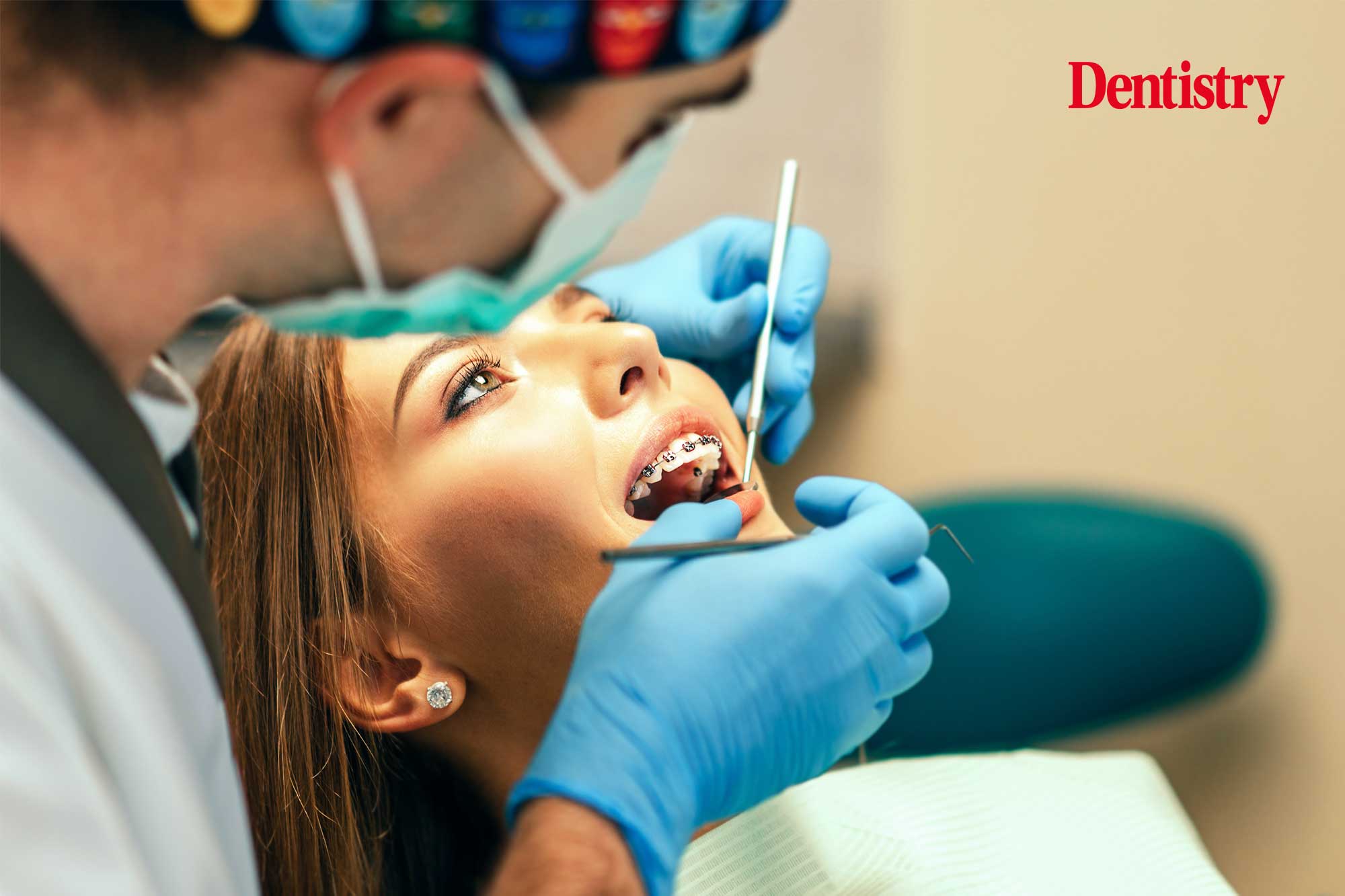
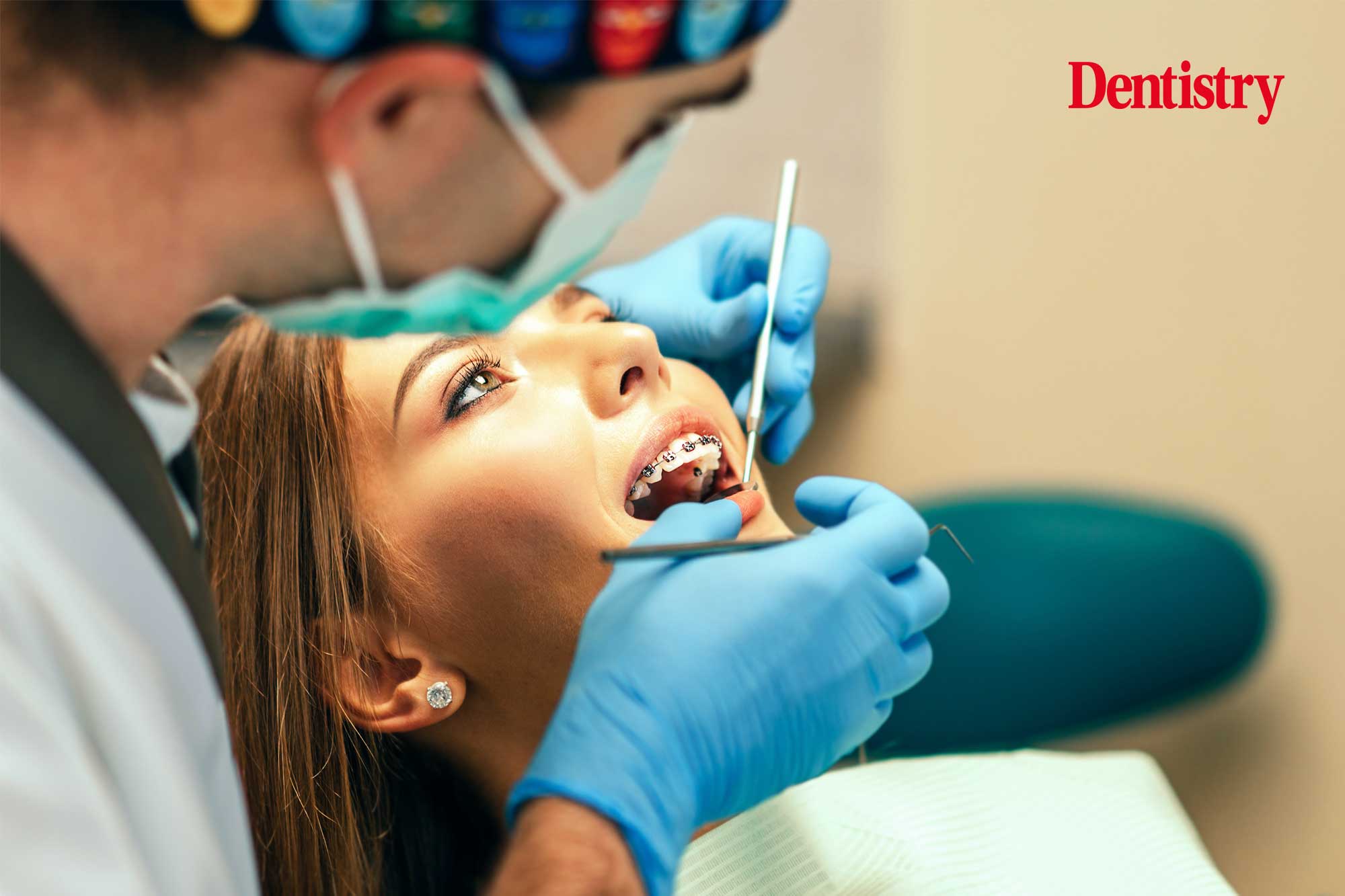
Fixed braces work by applying gentle, continuous pressure to move teeth into the desired position over time. They consist of brackets attached to teeth and connected by archwires that are periodically adjusted. For children, this method ensures consistent correction even when daily compliance may be challenging. The controlled force helps improve crowding, spacing, and bite alignment. Treatment plans are customized based on individual dental structure, ensuring gradual and safe progression toward improved alignment and function.
Statistical Insights on Children Orthodontic Treatment in Europe
Studies across Europe indicate that nearly 50 to 60 percent of children undergo some form of orthodontic evaluation before adulthood. A significant portion of these cases involves fixed braces as the primary treatment method. Data also shows that early orthodontic treatment can reduce future dental complications by up to 40 percent. In urban regions like Munich, awareness among parents has increased steadily, leading to higher rates of early consultations. These statistics highlight the growing importance of preventive dental care in pediatric health planning.
Long-Term Benefits for Oral Health and Confidence
Properly aligned teeth contribute to better oral hygiene, reducing the risk of cavities and gum disease. Fixed braces help correct misalignment that can cause uneven wear on teeth and jaw strain. Beyond physical health, children also experience psychological benefits, including improved self-esteem and confidence in social settings. A well-aligned smile often supports better speech development and chewing efficiency. Over time, these improvements contribute to a healthier and more balanced dental structure that lasts into adulthood.
Parental Concerns and Common Questions
Parents often worry about discomfort, treatment duration, and lifestyle adjustments during orthodontic care. Modern fixed braces are designed to minimize discomfort through advanced materials and smoother designs. Treatment duration typically ranges from 18 to 30 months depending on complexity. Children can continue normal activities, including school and sports, with minor precautions. Regular orthodontic visits ensure progress is monitored and adjustments are made efficiently. Clear communication between parents and specialists is essential for successful outcomes.
Daily Care and Maintenance for Braces
Maintaining good oral hygiene is essential during orthodontic treatment. Children are advised to brush after every meal using special orthodontic toothbrushes and fluoride toothpaste. Flossing tools designed for braces help remove food particles between brackets and wires. Avoiding sticky and hard foods reduces the risk of damage to the appliance. Routine dental check-ups support cleaning and ensure braces remain effective throughout the treatment period.
Conclusion
Fixed orthodontic treatment offers a reliable path to improved dental health and long-term alignment success for children in Munich.