
What a New Hair-Loss Pattern Can Tell You Before an Appointment
A new patch, a wider part, and handfuls of shed hair do not point to the same problem. Before buying a serum or changing every product in the shower,…
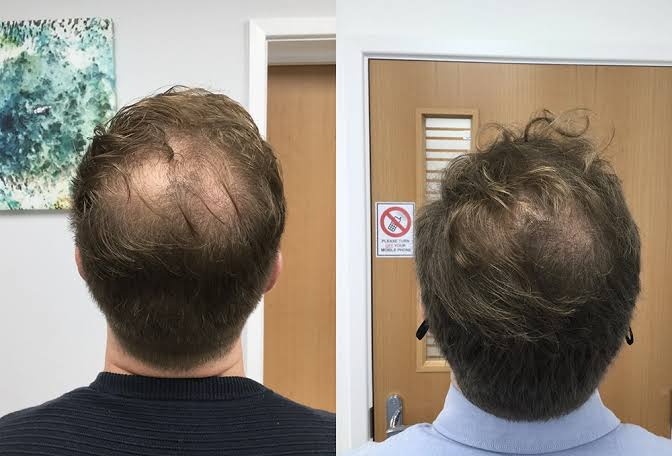
A new patch, a wider part, and handfuls of shed hair do not point to the same problem. Before buying a serum or changing every product in the shower, document where the change appears, how quickly it developed, and what the scalp feels like. Those observations cannot diagnose alopecia, but they can make the first professional conversation far more useful.
Begin with the pattern, not the product aisle
“Alopecia” simply means hair loss; it is not one diagnosis with one treatment. The American Academy of Dermatology notes that hair loss may look gradual or abrupt, and may appear as thinning, a widening part, a receding hairline, or a bald area. Its overview of early hair-loss signs is a useful visual reference, particularly for anyone who is unsure whether the issue is shedding, breakage, or a change in density.
That distinction matters because an impressive ingredient list does not tell you why the hair changed. A product may make the hair feel smoother while leaving the underlying question unanswered. Conversely, a person may become alarmed by a temporary increase in shedding even when the scalp looks calm. The best first move is to describe what is happening without assigning it a cause.
Four patterns deserve four different sets of questions
A widening part or gradual crown thinning calls for questions about family history, timing, hormones, medications, and whether the change has progressed in photographs. Gradual thinning can be easy to overlook because each day looks similar to the one before it. Compare images taken in the same room, with the same part and similar lighting, rather than relying on memory.
One or more smooth, defined patches should not be treated as ordinary dryness. Patchy hair loss can have several causes, and the condition of the exposed skin matters. Note whether the area is smooth, scaly, sore, red, or marked by broken hairs. Avoid aggressive rubbing or a succession of strong topical products while waiting for an assessment.
Diffuse shedding across the scalp raises a different timeline. Ask what happened several weeks or months earlier: illness, surgery, childbirth, a major stressor, a medication change, or a substantial dietary change. A trigger may not be obvious on the day shedding becomes noticeable, which is why a calendar is often more valuable than a bag of collected strands.
Loss along a hairline or beneath repeated tension makes styling history relevant. Tight braids, extensions, adhesives, headwear, and repeated pulling can affect particular zones. Record what is worn, where it feels tight, and how long the style stays in place. Pain, bumps, or persistent tenderness are reasons to stop the tension and seek qualified advice.
The official alopecia pattern assessment resource separates androgenetic, autoimmune, scarring, and traction-related forms of hair loss. That page is helpful as a vocabulary guide, but its categories should be used to prepare questions—not to diagnose a condition from a mirror.
A useful assessment separates cosmetic goals from medical needs
People often arrive with two concerns at once: “Why is this happening?” and “How can I look like myself while I work it out?” Those are both valid, but they may require different professionals and different timelines. A dermatologist or physician can evaluate medical causes and determine whether prescription treatment or further investigation is appropriate. A trichology consultation can add a detailed hair-and-scalp history, care guidance, and coordination with medical providers. A wig or hair-replacement fitting addresses appearance and daily function without pretending to treat the cause.
Ask any provider to explain the boundary of the service. What can be observed today? What requires a physician, dermatologist, or laboratory? Which recommendation is intended to improve scalp comfort, which is meant to support the hair fibre, and which is proposed for a diagnosed form of hair loss? Clear answers protect the reader from buying three solutions for three different jobs and expecting all of them to regrow hair.
Seek medical attention promptly when hair loss is accompanied by significant scalp pain, signs of infection, rapidly worsening inflammation, or other new symptoms. The same is true when the change follows a new medication or occurs alongside fatigue, weight change, menstrual changes, or other systemic concerns. A hair article cannot safely sort those issues.
Build a one-page record that a professional can actually use
A good record has four parts: a start date or best estimate; three or four consistent photographs; a list of health, medication, and life changes; and a short description of scalp sensations. Add styling practices and every new product used since the change began. There is no need to count every hair. Consistent context is more informative than a frightening number collected on one wash day.
Testing should also follow a question rather than anxiety. Truly You describes several hair and blood analysis services, including options that may be discussed under the guidance of its trichologist. A reader should still ask why a particular test is being suggested, who interprets it, whether a physician should be involved, and how the result would change the plan.
The aim of observation is not to become your own specialist. It is to arrive with a clear account of pattern, pace, symptoms, and context. That small, practical file for the visit gives the next professional a better starting point—and keeps a stressful hair change from turning into an unplanned shelf of products.