Massage or Float? Start With How Much Guidance You Want
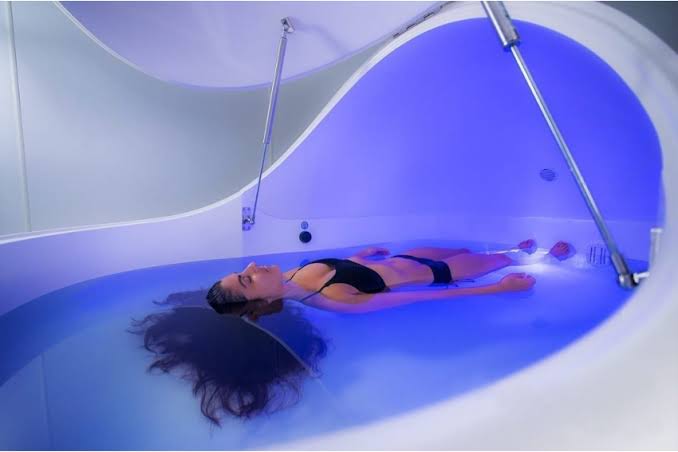
Massage and floating can both occupy a quiet place in a wellness routine, but they create that quiet differently. Massage is practitioner-guided and includes negotiated touch. Floating is largely private and asks the guest to navigate stillness, water, light, and sound with less ongoing direction. The useful comparison is not which service is universally better. It is how much guidance, interaction, and sensory control a person wants during this particular visit.
Choose between guided and self-directed time
During a massage, the provider sets much of the sequence while the guest gives feedback. Pressure, positioning, focus areas, temperature, fragrance, and conversation can be adjusted. This format may suit someone who feels more comfortable when another person explains what comes next. It also requires the guest to be willing to communicate about touch and speak up if something does not feel right.
A float gives the guest a room and a set of controls, then more independent time. Instructions before the session become important because there may be less interaction once it begins. Someone who values privacy may welcome that independence. Someone who finds unfamiliar silence or water settings unsettling may prefer to ask about lighting, sound, room layout, and how to leave before deciding.
Make touch the deciding factor
Touch is not a minor difference. A massage is built around it, and consent remains active throughout. Guests should be invited to identify areas to avoid, request pressure changes, decline a step, or stop. A couple booking does not erase individual boundaries. If a person wants the presence of a provider but not a full-body format, ask whether a more focused service exists and what it includes.
People comparing relaxation massage options in Kitchener-Waterloo can use Azure Aqua Spa’s current menu to frame those questions. Review service categories, then confirm the process, duration, current price, and availability with the spa. A menu label cannot determine whether pressure, heat, aroma, or a particular position is appropriate for one guest.
Floating avoids practitioner touch during the core experience, but it introduces other sensations: buoyancy, skin contact with salt water, room temperature, quiet, and changes in light. A person who prefers no touch may still have questions about those elements. Privacy is useful only when the setting itself feels understandable and controllable.
Compare the preparation, not just the session
A massage typically includes a conversation and changing according to the service and facility. A float adds showering and room instructions. Hair, contact lenses, recent shaving, skin comfort, and personal-care products may affect practical preparation. Follow the facility’s guidance rather than assuming every float spa uses the same process.
The current Azure Aqua Spa float-pool page shows local visitors the setting they are considering. Ask which light and sound options are available, whether the format is individual or shared, what to bring, and how early to arrive. First-time guests should leave a margin after the service for showering, changing, and getting oriented.
- Choose massage when adjustable touch and provider guidance are appealing.
- Choose floating when private, self-directed quiet is the stronger preference.
- Ask about controls when silence, darkness, water, fragrance, heat, or touch raises concern.
- Postpone and seek qualified advice when the real question is medical.
Keep health claims outside the comparison
Neither choice should be used to diagnose pain, treat a medical condition, or guarantee a particular emotional or physical outcome. New, severe, worsening, or unexplained symptoms need appropriate assessment. Pregnancy, recent procedures, medication, mobility needs, skin issues, injuries, and other conditions may change what is suitable. The right questions belong with the relevant clinician and the spa.
This boundary improves the decision. Without the pressure to select a cure, the guest can compare the actual experience: Do I want another person to guide the hour, or do I want more control over my own quiet? Do I welcome touch? How do I feel about water? Which setting am I curious to try?
Season and time of day can help break a tie. A guest may prefer floating when there is time to manage wet hair and a massage when the rest of the day is more structured. Another may choose the opposite. These are logistical preferences, not evidence that one modality works better. Put the actual next commitment beside each option before booking.
Use the first visit as information
Choose one format, leave the calendar loose, and observe. Afterward, note how easy the instructions were to follow, whether the environment felt comfortable, and which adjustments would help next time. Do not force a dramatic verdict. A guest may discover that massage suits busy weeks and floating suits quieter days, or that neither belongs in the routine. All are valid outcomes.
Cost can be compared with the same discipline. Put the complete price, travel time, preparation, and likely visit length beside each other. Do not assume the option with more equipment or more provider time is inherently the better value. Value depends on whether the guest wants that form of guidance and whether the appointment fits without creating avoidable stress elsewhere in the day.
The best comparison ends in a service that can be described honestly. Massage offers guided, adjustable touch. Floating offers private, self-directed time in a water-based setting. Starting with the desired level of guidance turns two broad wellness labels into a practical personal choice.