
Maximizing Results: Safe Practices for Retinol Use
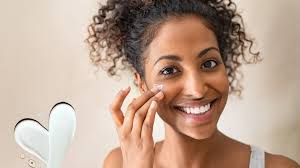
Dermatologists consistently highlight the transformative effects of topical vitamin A derivatives for addressing fine lines, uneven texture, and hyperpigmentation. When incorporated correctly into a nighttime skincare routine, a high-quality Retinol Serum can significantly improve cellular turnover and support collagen production. Understanding the exact protocols for application ensures that users experience these benefits without unnecessary irritation or compromised skin barriers.
What Percentage of Users Experience Initial Irritation?
Clinical observations indicate that a significant majority of new users experience mild to moderate flaking and redness during the first two to four weeks of application. This adjustment period, commonly referred to as retinization, is a standard biological response as the skin adapts to increased cellular turnover rates. Data from dermatological surveys suggest that nearly 70% of individuals report some level of dryness during this phase. To minimize these effects, starting with a lower concentration—typically between 0.1% and 0.25%—allows the skin’s barrier to acclimate gradually over time.
How Frequently Should Beginners Apply the Treatment?
The frequency of application directly correlates with the severity of potential side effects. Skincare professionals strongly recommend the “low and slow” method for anyone new to vitamin A formulations. Statistical models of patient adherence show that users who begin with an application schedule of one to two nights per week have a much higher success rate in maintaining the routine long-term. After two weeks of no adverse reactions, the frequency can be increased to three nights a week, eventually building up to nightly use if the skin tolerates it well.
Does Application Technique Impact Efficacy and Safety?
The method of application is just as critical as the product’s concentration. Applying the product to damp skin can increase absorption rates, which simultaneously increases the risk of severe irritation. Studies on transepidermal water loss show that a completely dry face acts as a necessary buffer. A standard protocol involves washing the face, waiting a full ten to fifteen minutes for the skin to dry completely, and then applying a pea-sized amount to the entire face.
What Are the Ideal Product Pairings for Barrier Support?
Maintaining the integrity of the stratum corneum is essential when introducing powerful active ingredients. Analytics from consumer skincare habits reveal a direct link between adequate hydration and successful retinization. The “sandwich method” has become a statistically favored approach among sensitive skin profiles. This technique involves applying a light layer of moisturizer, followed by the active treatment, and finishing with a thicker layer of moisturizer. Ceramides, hyaluronic acid, and peptides are highly rated companion ingredients that help retain moisture and repair the lipid barrier.
Should Sun Protection Habits Change?
Vitamin A derivatives inherently make the skin more susceptible to ultraviolet radiation damage. Dermatological cancer research emphasizes that daily application of broad-spectrum sunscreen with an SPF of 30 or higher is non-negotiable. Without adequate UV protection, the cell-renewing benefits of the treatment are negated, and users face an increased statistical probability of developing sun spots and severe sunburns.
Next Steps for Your Skincare Routine
Integrating this powerful ingredient into your regimen requires patience, consistency, and a strategic approach to hydration. By respecting your skin’s natural barrier and slowly building tolerance, you can achieve significant improvements in skin texture and tone. If persistent irritation occurs, consult with a board-certified dermatologist to adjust your treatment plan and explore alternative formulations suited to your specific dermatological needs.